
Analysis
How to Move the Senate from Debate to Decision
The Senate does not need to choose between preserving debate and reaching decisions, and restoring a modified previous question motion would help the chamber do both.

How Filling the Amendment Tree Closed the Senate Floor - and How to Fix It
How majority leaders use the amendment tree to close the Senate floor to amendments—and how a simple rule change could reopen the process.
Limiting Debate on the Motion to Proceed
A package of Senate rules reforms would make the chamber more deliberative and productive, beginning with a proposal to limit debate on the motion to proceed so the Senate can actually get to legislation.
Fixing the Senate by Fixing Its Rules
A four-part rules reform package would address frustrations in both parties and help the Senate deliberate and legislate more effectively.
What the Byrd Rule Actually Does — and How to Navigate It
Senators who understand how to draft policy changes as terms and conditions on federal spending or revenue and frame them that way can overcome the Byrd Rule’s most subjective tests.
Can Reconciliation Save the SAVE America Act?
Passing the SAVE America Act in a reconciliation bill will take longer and is more complicated than forcing its opponents to mount a talking filibuster.
Senators Can Use Made-up Motions to Force Votes
Senators don’t need unanimous consent to act—they can use the rules to force votes.

A Senate Rules Reform Package: Empowering Senators to Participate in Debate, Offer Amendments, and Cast Up-or-Down Votes
Four rules changes that will help senators debate more, amend more, and vote more.
A Talking Filibuster Doesn’t Guarantee Unlimited Amendments
A detailed guide to how Senate majorities can avoid unlimited amendments in a talking filibuster.
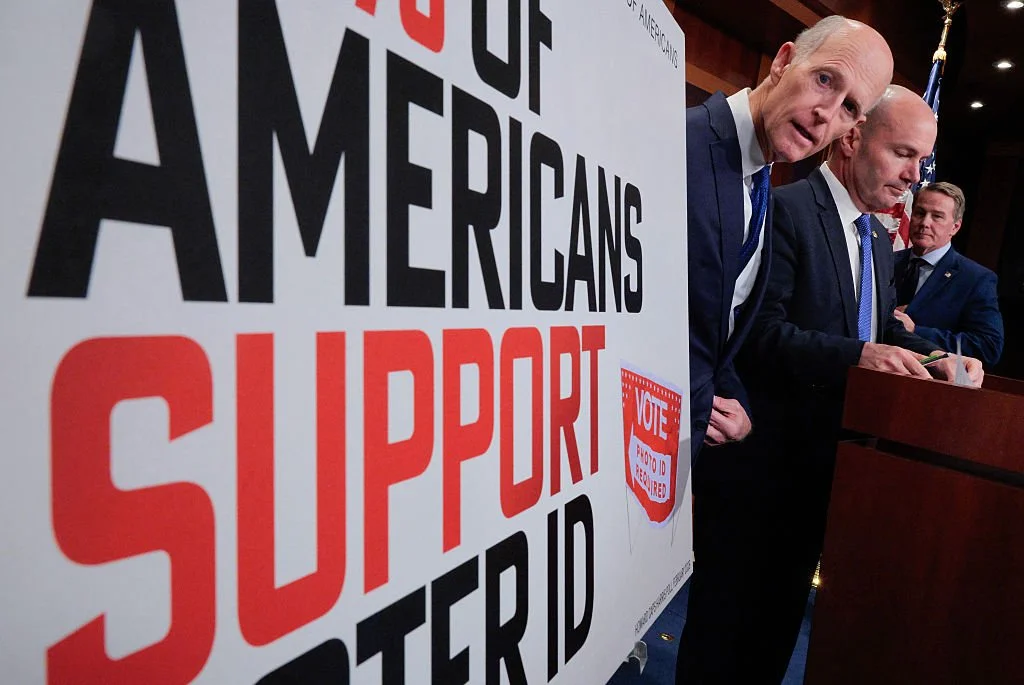
How Republicans Can Break Democrats' SAVE America Act Filibuster
A step-by-step guide to how a determined majority can overcome minority obstruction without abolishing the filibuster.

House Makes Ending Talking Filibuster Easier
This post highlights how the House can make it easier for the Senate to pass legislation.

Senate Rules Can Limit Talking Filibuster
This piece reviews the procedural tools that can shorten, structure, or otherwise discipline extended debate in the Senate.
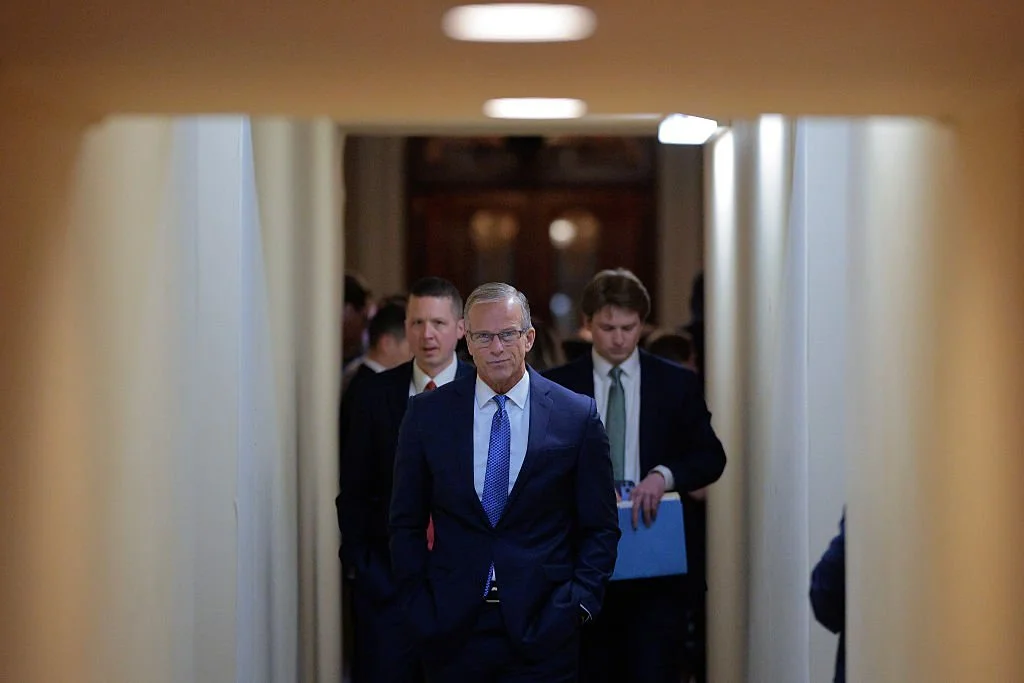
Republicans Don’t Need Cloture to Overcome SAVE America Act Filibuster
Senate rules provide alternative ways to outlast or outmaneuver a filibuster.

How to Find Rule XVI Violations in Minibus
A practical guide to identifying appropriations provisions that may run afoul of Rule XVI.

Why the Senate Needs Unanimous Consent to Advance Minibus
This piece explains why moving a minibus through the Senate often depends less on raw majority power than on unanimous consent.
Senate Republicans Could Enforce Earmark Ban If They Wanted To
Senate rules and party practices may give Republicans more leverage over earmarks than they are using.

Earmark Dispute Stalls Senate Minibus
How substantive disagreements can quickly become floor-management problems when senators don’t follow their own party rules.

Democrats Can’t Win If They Don’t Try
Senate minorities only gain leverage when they are willing to use the tools available to them.

Republicans Can End Shutdown Without Nuking Filibuster
This piece lays out how existing procedures can be used to move the process forward without nuking the rules.

The Senate’s Shutdown
The article explores how Senate rules shape the timing, leverage, and possible resolution of fiscal brinkmanship.